
Skin Cancer Surgical Center
Comprehensive skin cancer care, including Mohs and reconstructive surgery.
Skin Cancer Conditions
Mohs Surgery
Mohs micrographic surgery is a method for removing skin cancer that combines surgery with microscopic analysis as each layer of tissue is removed. With two full-time fellowship-trained Mohs surgeons on staff, we offer on-site diagnosis and treatment.
About the Center
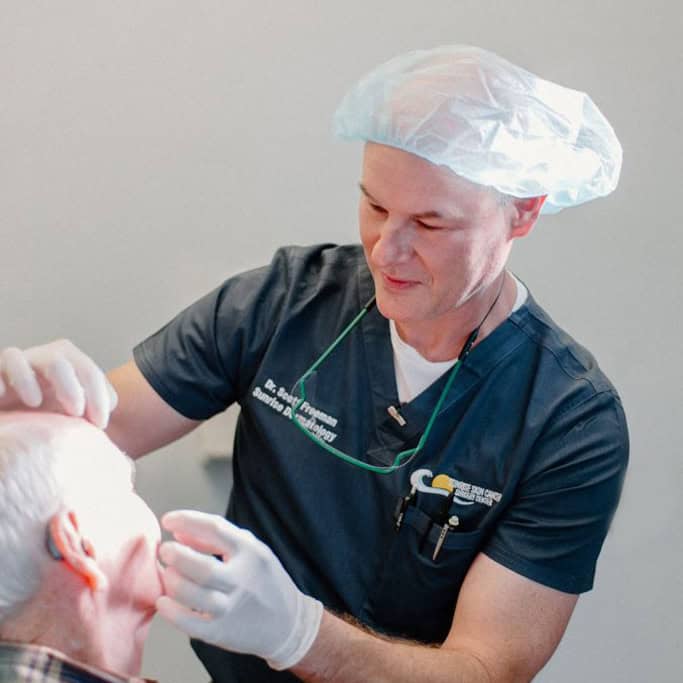
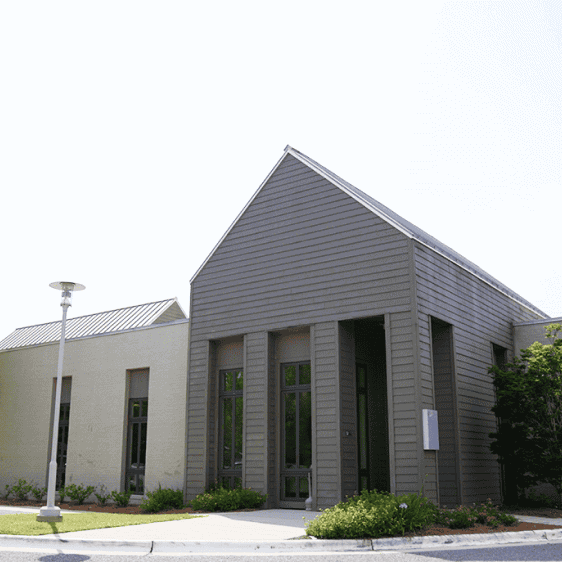
Sunrise Skin Cancer Surgery Center in Mobile was founded by Dr. Scott Freeman in 2019 with the goal of providing specialized reconstructive services in a safe outpatient surgery setting. Our facility is a certified ambulatory surgery center and is licensed, monitored, and accredited by both Medicare and the Accreditation Association for Ambulatory Health Care (AAAHC).
All procedures are done under local anesthesia, including the majority of the reconstructive plastic surgical procedures following Mohs surgery. Surgical procedures performed in this type of setting result in lower possible infection rates and also allow for the quickest postoperative recovery.
Skin Cancer FAQs
Skin cancer is the abnormal, uncontrolled growth of skin cells caused by radiation from the sun. One in five people will develop skin cancer in their lifetime, says the American Academy of Dermatology (AAD).
Risk factors include pale skin, family history of skin cancers, being over 40 years old and regular sun exposure. Fortunately, skin cancer is almost always curable if detected and treated early.
Most adults benefit from annual skin exams, while patients with higher risk factors may need more frequent screenings. The right schedule depends on your personal risk factors, including your age, skin type, family history, sun exposure, and any previous history of skin cancer. Your Sunrise dermatologist can recommend the best screening schedule for your needs.
A skin cancer screening is a visual examination of your skin performed by a dermatology provider. During the exam, your provider checks moles, freckles, spots, and other lesions from head to toe, looking for suspicious changes or irregular features. If an area appears concerning, a biopsy may be recommended for further evaluation.
Treatment depends on the type, size, and location of the cancer. Many skin cancers can be treated successfully when detected early. Treatment options may include surgical removal, Mohs surgery, topical medications, freezing treatments, or other specialized therapies. Your Sunrise dermatologist will explain the best approach based on your diagnosis.
No. Many moles and growths are harmless. However, it can be difficult to tell the difference between a benign lesion and skin cancer without a professional evaluation. That is why it’s important not to ignore spots that change or are unusual.
The three most common forms of skin cancer are basal cell carcinoma, squamous cell carcinoma, and melanoma. About 80-85% of skin cancers are basal cells, affecting the uppermost layer of the epidermis. Squamous cell carcinoma accounts for 10% of all skin cancers and affects cells in the middle layer of the epidermis. The most serious and rare skin cancers are melanomas. Melanomas are dangerous because they can metastasize quickly. Melanomas are the leading cause of skin cancer deaths. Skin cancer is highly treatable when it’s caught and treated early.
Daily sun protection is one of the best ways to reduce your risk. This includes wearing broad-spectrum sunscreen, protective clothing, sunglasses, and hats, while also limiting excessive sun exposure during peak daylight hours. You should also avoid tanning beds and monitor your skin for changes.
Yes. Patients who have had skin cancer are at a higher risk of developing another skin cancer in the future. Ongoing skin checks, sun protection, and follow-up appointments are important parts of long-term skin health.
Traditionally, skin cancers have been treated by surgically removing large areas of skin. This leaves the patient with a sizable wound and possibly a long, wide scar. Additionally, a small percentage of these patients will still have cancer remaining in their bodies, requiring additional surgery.
Now patients diagnosed with skin cancer can have Mohs surgery, which offers a greater than 99% clearance rate. This state-of-the-art surgery is a delicate and precise procedure that spares as much skin as possible, providing the most optimal cosmetic outcome. Most importantly, when patients leave the office, they know all the cancer has been removed.
Mohs surgery has the highest cure rate — up to 99% for nonmelanoma skin cancers, such as basal cell carcinoma and squamous cell carcinoma.
It is appropriate for most skin cancers and is especially suitable for skin cancer that:
- Is in an area where it’s important to preserve healthy tissue for best functional and cosmetic results
- Has been treated previously and has come back
- Is located near scar tissue
- Is large, greater than 1 cm in diameter
- Does not have clearly defined edges
- Is growing rapidly or uncontrollably
- Is an aggressive subtype (i.e., sclerosing or infiltrating basal cell carcinoma)
- Develops in immunocompromised patients
Yes. While skin cancer is more common in older adults, it can develop at any age. Younger patients who spend significant time in the sun, use tanning beds, or have a family history of skin cancer may face increased risk. Melanoma is one of the more common cancers diagnosed in young adults.